Chiropractic Adjustment in Knoxville, TN: What It Is and How It Helps

SEO title: Chiropractic Adjustment Knoxville TN: What It Is
Meta description: Considering chiropractic adjustment Knoxville TN care? Learn what happens, why joints may pop, gentle options, soreness, and treatment for better movement.
Suggested URL slug: /chiropractic-adjustment-knoxville-tn
If you’ve never had an adjustment before, you may have questions. Will it hurt? Will your back crack? Do you need to keep going forever?
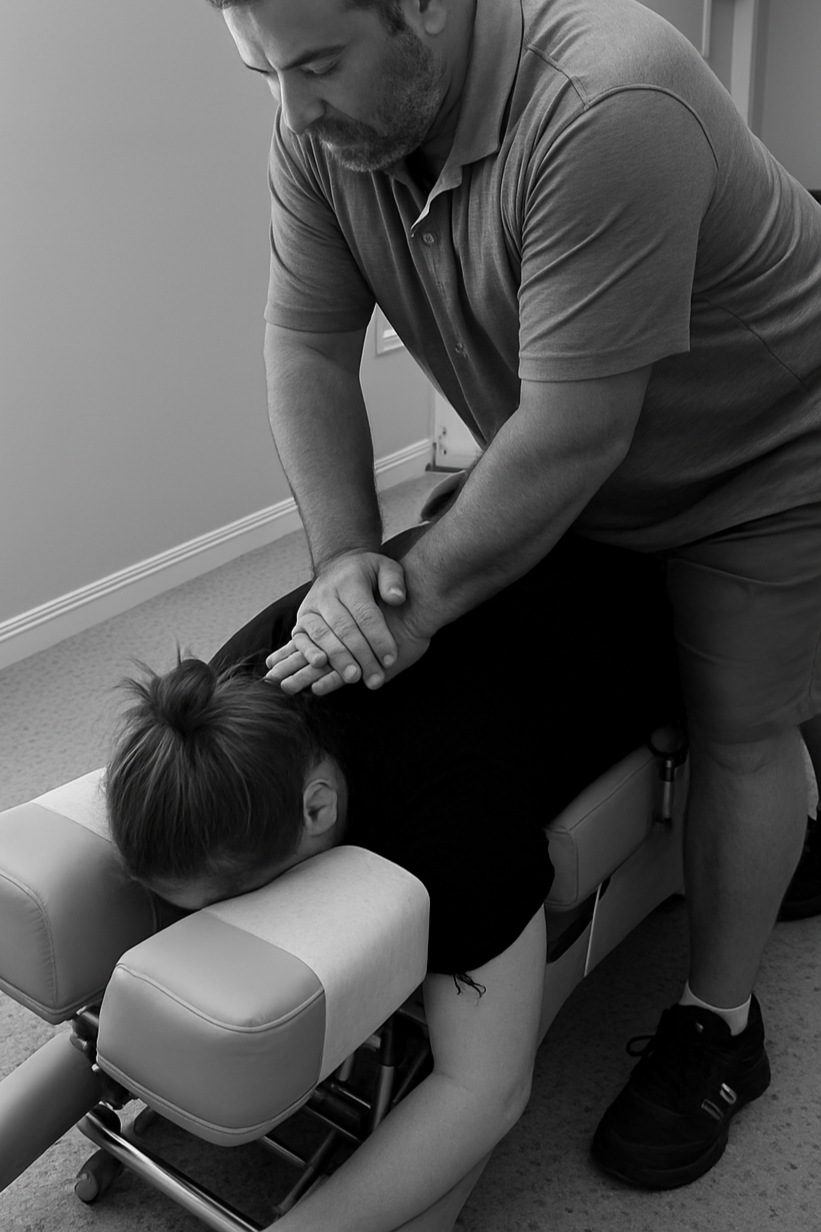
A chiropractic adjustment Knoxville TN patients receive is a controlled, hands-on technique designed to help a joint move more comfortably. It isn’t about forcing your body into place or chasing a popping sound. It starts with understanding what you’re feeling, how you move, and what may be contributing to your discomfort.
At Dr. Arthur Poisal Chiropractic, we take time to listen and complete a thorough assessment before recommending care. Whether you’re near Whittle Springs, elsewhere in Knoxville, or visiting from a nearby community, your treatment plan should fit your body and your goals.
Chiropractic Adjustment Knoxville TN: What Your Visit May Look Like
Your first visit begins with a conversation. We’ll ask about your symptoms, health history, activity level, previous injuries, and what you want to get back to doing.
That might be:
- Running without worrying about every step
- Lifting weights with more confidence
- Sleeping more comfortably
- Turning your neck with less stiffness
- Walking through the day without constant discomfort
We may also look at your posture, movement, balance, and joint mobility. This helps us understand the bigger picture instead of treating one sore spot in isolation.
If an adjustment is appropriate, we’ll explain what we’re doing before we begin. A typical adjustment uses a precise, controlled movement to a joint that may be stiff or not moving as well as it should. The technique may be performed with you lying on a treatment table, sitting, or in another comfortable position.
Our care is hands-on and personalized. We don’t use machines to perform the adjustment for you. We adapt the technique to your comfort, age, size, condition, and preferences.
What Does the Popping Sound Mean?
The popping sound is one of the most common concerns people have. It can sound dramatic, but it usually isn’t a bone cracking or breaking.
When a joint moves and pressure changes inside it, gas can be released from the joint fluid. That release may create a popping or cracking sound, much like when someone cracks their knuckles.
The important point is this: an adjustment does not have to pop to be helpful.
Some adjustments are quiet. Others produce a sound. The sound itself is not a measure of success, and we don’t chase it during care. Our focus is on helping you move more comfortably and making steady progress toward your goals.
If you don’t like the sound or feel nervous about it, tell us. We can discuss quieter, lower-force options.

Gentle Options for Nervous or Older Patients
You don’t have to feel comfortable with a forceful or fast technique to benefit from chiropractic care. Many people prefer a gentle approach, especially if they are nervous, have had a difficult experience in the past, or are managing age-related stiffness.
A gentler visit may include:
- Slow, controlled positioning
- Lower-force manual techniques
- Focused movement of one area at a time
- Soft-tissue work
- Stretching and mobility guidance
- Instrument-assisted techniques when appropriate
We also care for patients of all ages, from infants to older adults. That doesn’t mean every patient receives the same adjustment. A young child, an active adult, and an elderly patient all require different considerations.
We’ll review your health history and adjust our approach accordingly. If you have osteoporosis, a recent injury, a history of surgery, take blood-thinning medication, or have another health concern, be sure to tell us before treatment.
You are always welcome to ask questions and speak up about your comfort. Good care should feel collaborative, not intimidating.
Is Soreness After an Adjustment Normal?
Some people feel relief right away. Others notice changes gradually over the next few visits. Mild soreness or stiffness can occur after an adjustment, especially if your body is responding to a new movement or if the surrounding muscles were already tense.
This soreness is often similar to what you might feel after using muscles that haven’t been active in a while. It should generally be mild and improve within a day or so.
You can often support your comfort by:
- Drinking water
- Taking a short, easy walk
- Following the stretching guidance we provide
- Avoiding unusually strenuous activity for the rest of the day
- Letting us know how you feel at your next visit
Soreness that is severe, worsening, or lasting longer than expected should be reported. Seek prompt medical attention for serious symptoms such as new or increasing weakness, loss of bladder or bowel control, severe numbness, chest pain, fainting, or symptoms following a significant accident.
We want you to feel informed about what is normal and what deserves additional attention.
An Adjustment Is Only One Part of Your Plan
An adjustment may help improve joint movement, but it is not always the entire solution. Lasting progress often depends on combining hands-on care with strategies that help your body keep moving well between visits.
Depending on your needs, we may discuss:
Decompression therapy
Decompression therapy uses a specialized approach to reduce stress through targeted areas of the spine. It may be considered when pressure, stiffness, or ongoing discomfort is affecting your movement.
Learn more about our decompression and other supportive therapies through our FAQs.
Shockwave therapy
Shockwave therapy uses sound waves to support the body’s healing response in muscles, tendons, and ligaments. It may be useful for certain stubborn aches, soft-tissue problems, and activity-related injuries.
You can watch our Shockwave Therapy: The Basics Explained to learn more about how this service fits into care.
Rehabilitative exercises
Simple, appropriate exercises can help you build strength, control, flexibility, and confidence. We may recommend movement that supports the changes made during treatment and helps you return to daily activities.
That may be as simple as improving hip mobility, strengthening your core, practicing balance, or learning how to move with better body awareness.
We may also discuss stretching, posture habits, and, in appropriate situations, additional services such as dry needling. The right combination depends on your assessment and your goals.

How Often Do You Need an Adjustment?
There isn’t one schedule that works for everyone.
Some people feel noticeable improvement after a few visits. Others need more time because their symptoms have been present for months or years, or because an injury has affected strength and movement.
Your recommended frequency may depend on:
- How long you’ve had the problem
- The severity of your symptoms
- Your work and activity demands
- Previous injuries or surgeries
- How your body responds to care
- The progress you make between visits
We’ll monitor how you’re doing and adjust the plan as needed. The goal isn’t to keep you coming in without a clear reason. The goal is to help you move better, feel more confident, and understand what you can do to support your progress.
Some patients come in for a specific problem and stop when they’re doing well. Others choose periodic visits because they want help maintaining mobility while staying active. We’ll talk through what makes sense for you.
What Makes Personalized Care Different?
Pain can look different from one person to the next. Two people may both describe back stiffness, but one may be dealing with limited hip movement while the other has a work-related strain, an old injury, or poor movement habits.
That’s why we don’t want to rush through your visit or use a one-size-fits-all plan.
At Dr. Arthur Poisal Chiropractic, we listen first. We take time to understand your concerns, assess how you move, and explain your options. Then we create a customized plan based on your needs and comfort level.
If you’re in Knoxville or the Whittle Springs area and wondering whether an adjustment may be appropriate for you, we’ll be happy to talk through the next step.
Ready to Learn More?
You don’t have to know exactly what treatment you need before reaching out. Call us at (865) 687-5700, and we’ll be glad to answer your questions.
You can also fill out our contact form, and we’ll call you back. We’ll listen, learn more about what’s bothering you, and help you decide on a comfortable next step.