Chiropractic Care for Mobility in Knoxville: Get Moving Without Pain

SEO title: Chiropractic Care for Mobility Knoxville TN
Suggested URL: /chiropractic-care-for-mobility-knoxville/
Meta description: Discover how chiropractic care for mobility knoxville can help you move with more comfort through personalized assessment, hands-on care, and guided exercises.
If you’re searching for chiropractic care for mobility knoxville, you may be looking for more than short-term pain relief. You want to bend, reach, walk, exercise, and enjoy your normal routine with greater comfort and confidence.
Mobility is the goal.
At Dr. Arthur Poisal Chiropractic, we take time to understand what has changed in the way you move. Then we create a customized plan based on your needs, your health history, and the activities you want to return to. Whether you’re an active adult, an aging patient, or somewhere in between, we’re here to help you move better and feel more at ease.
What Mobility Really Means
Mobility isn’t just about being flexible. It includes three important parts:
- Range of motion: How far a joint can move.
- Control: How well you can guide that movement.
- Confidence: Whether you trust your body to move without pain or hesitation.
You might notice a mobility problem when you have trouble turning your head, reaching overhead, standing from a chair, climbing stairs, or getting off the floor. You may still be able to complete the movement, but it feels restricted, uncomfortable, or less reliable than it used to.
Over time, these small changes can affect your entire routine. You may stop taking walks, reduce your weight at the gym, avoid playing with your grandchildren, or give up activities you once enjoyed.
Why Stiffness Starts to Limit Your Movement
Stiffness can develop for many reasons. Sitting for long periods may reduce movement through your hips, spine, and shoulders. A previous injury can cause you to protect one area, which may place extra stress on another. Repetitive work, poor movement habits, and a lack of strength can also contribute.
Aging is another normal factor. Your joints and soft tissues may become less adaptable over time, especially if you’re not moving regularly. That doesn’t mean discomfort and limited movement are something you simply have to accept.
When one area becomes restricted, your body often compensates. You may twist through your lower back because your hips don’t move well. You may raise one shoulder because your upper back feels stiff. You may shorten your stride because your ankle, knee, or hip doesn’t feel stable.
These compensations can increase muscle tension and irritation. Eventually, restricted mobility may become pain.

Start With a Mobility Assessment
Good care begins with listening.
During your first visit, we’ll talk with you about what you’re experiencing, when it started, and how it affects your daily life. We’ll also ask about your goals. Maybe you want to run again. Maybe you want to lift weights without hesitation. Or maybe you simply want to walk comfortably around your neighborhood.
A mobility assessment may include:
- Observing how you walk, bend, squat, reach, and turn
- Checking the range of motion in your spine and major joints
- Noting areas of stiffness, weakness, or compensation
- Reviewing posture and movement habits
- Considering previous injuries and health concerns
- Connecting your physical findings to your everyday goals
This process helps us look beyond the location of your discomfort. The area that hurts is not always the only area involved. A thorough assessment gives us a clearer picture of how your body is working as a whole.
We also understand that every patient is different. Your plan should not be based on a one-size-fits-all routine.
How Adjustments Can Help Restore Motion
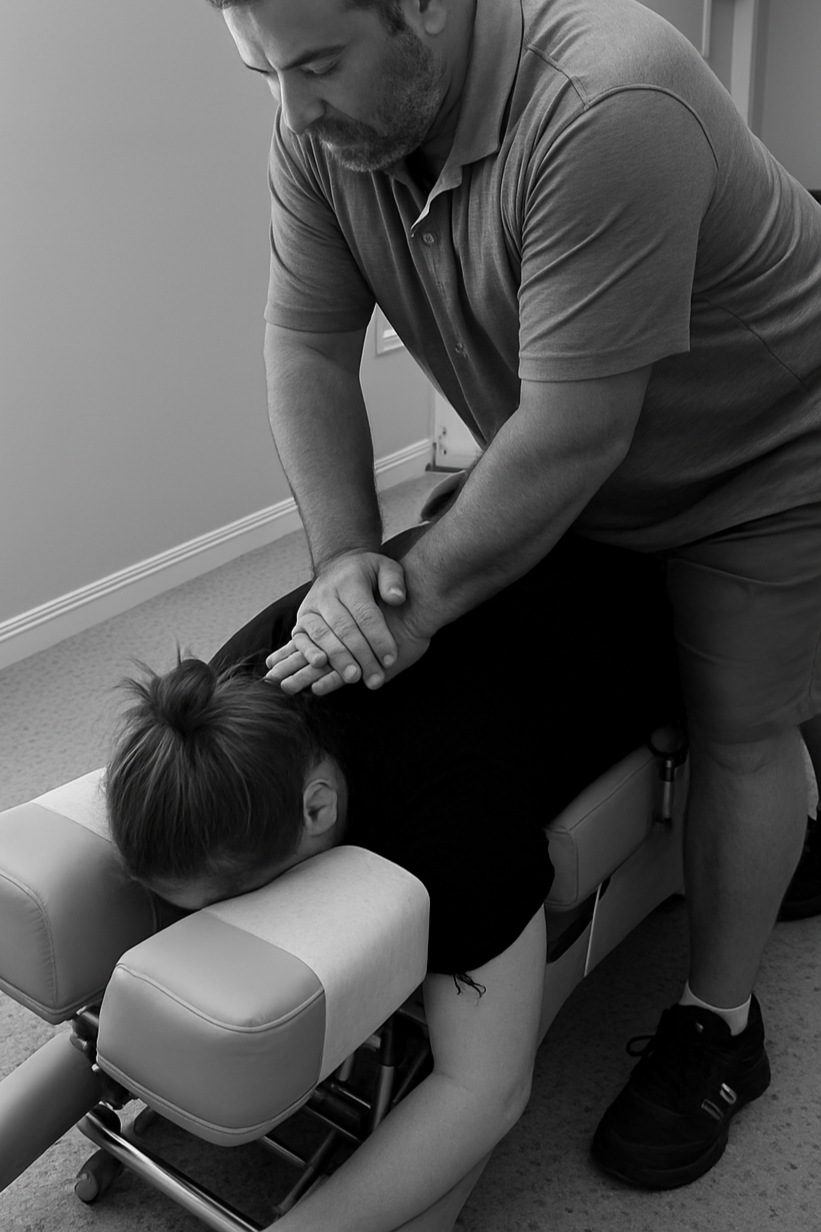
When a spinal segment or joint is not moving well, a hands-on adjustment may help improve its motion. An adjustment uses a controlled force directed toward a specific area. The goal is to support healthier movement, reduce stiffness, and help your body move with less strain.
Our approach is hands-on and personalized. We don’t rely on machines to do the work of understanding your body. We take the time to identify which areas need attention and which techniques are appropriate for you.
Some patients notice a difference in how they move after an adjustment. Others need a series of visits combined with exercises and lifestyle changes. We’ll monitor your response and adjust your care as you progress.
The goal isn’t simply to make a joint move once. It’s to help you build movement that feels more natural and useful in your everyday life.
Make New Movement Stick With Exercise
An adjustment may create an opportunity for better movement, but your body also needs practice and support. That’s where rehabilitative exercises can help.
Your exercise plan may focus on:
- Building strength around a stiff or unstable area
- Improving balance and coordination
- Practicing controlled range of motion
- Supporting better posture
- Teaching safer lifting, reaching, or bending patterns
- Maintaining progress between visits
These exercises don’t have to be complicated. The most helpful plan is one you can perform consistently and confidently. We’ll show you how to complete movements properly and explain how they connect to your goals.
For example, if you want to return to running, your plan may address hip control, leg strength, and trunk stability. If your goal is to lift weights, we may focus on your ability to hinge, brace, squat, and rotate with control. If you want to move more comfortably at home, we may prioritize walking, reaching, stairs, and getting up from the floor.
When Soft Tissue Quality Limits Mobility
Sometimes a joint is moving better, but the surrounding muscles, tendons, or other soft tissues still feel tight and restricted. In those cases, additional therapies may be appropriate.
Decompression therapy uses controlled traction to gently reduce loading through targeted areas of the spine. It may be considered when disc-related irritation or pressure is contributing to limited movement. This therapy is not right for everyone, so we’ll discuss your symptoms and overall health before recommending it.
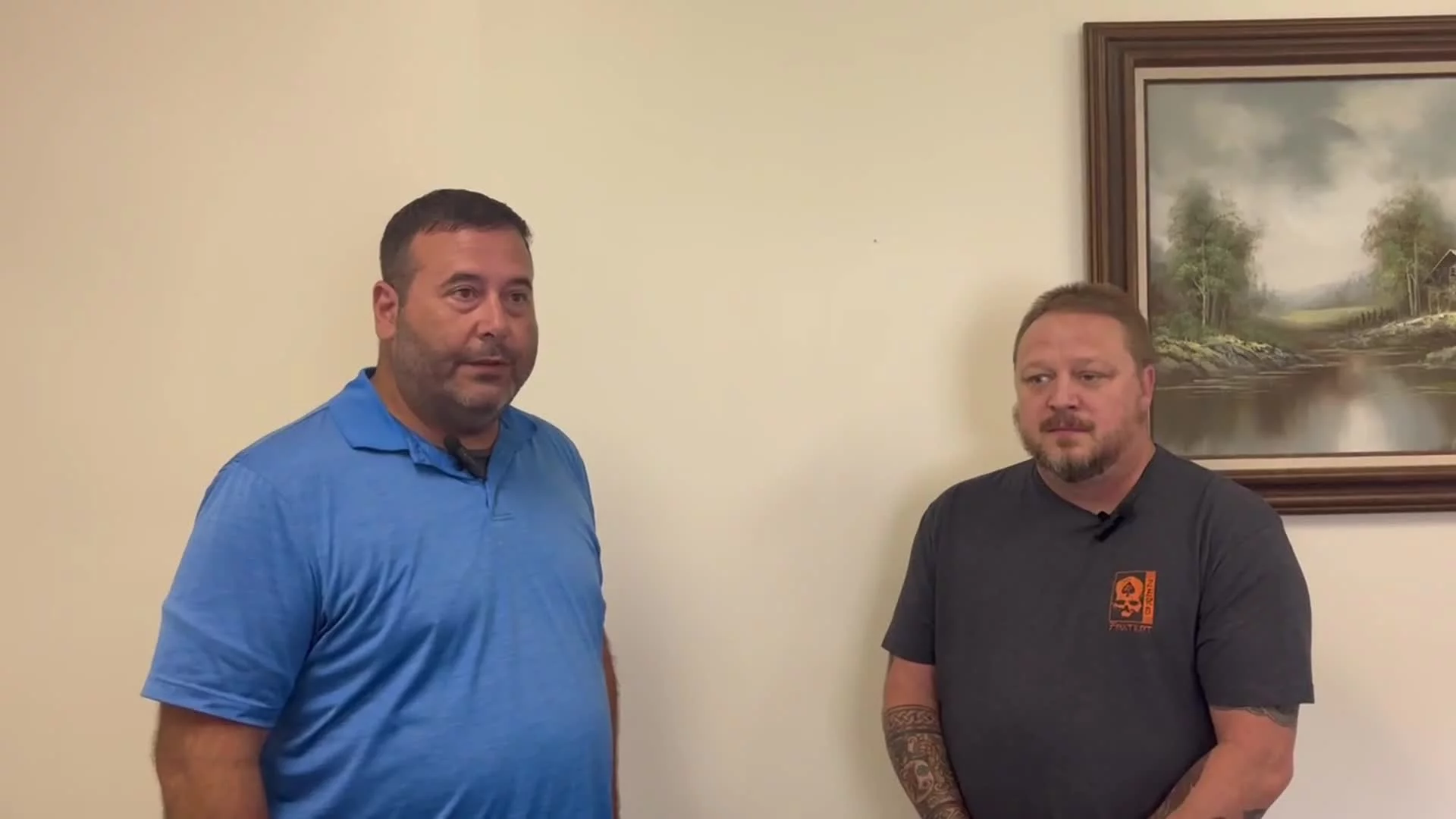
Shockwave therapy uses sound waves directed at specific soft tissues. At our clinic, it may be used for concerns such as persistent muscle tightness, tendon problems, or other tissue restrictions that affect comfortable movement. You can learn more about this approach in our Shockwave Therapy: The Basics Explained video.
These therapies are typically part of a broader plan. They may be combined with hands-on care, movement training, and home exercises to help you make practical progress.

Track Progress in Everyday Terms
Mobility improvements should be meaningful to you. That’s why we encourage you to notice changes in normal activities, not just numbers on a chart.
You might track whether you can:
- Bend to put on your shoes more comfortably
- Reach into a cabinet without shoulder stiffness
- Turn your head while driving
- Walk farther without needing to stop
- Climb stairs with more confidence
- Get out of a chair more easily
- Get down to the floor and back up
- Return to running or lifting with better control
- Sleep more comfortably because movement feels easier
These details help us understand how your care is affecting your quality of life. They also give you clear reminders that progress can happen gradually.
Mobility-Focused Care in Knoxville, TN
If you live in Knoxville TN, including the Whittle Springs area, you don’t have to wait until movement becomes severely limited before asking for help. Early attention may make it easier to identify restrictions, address compensations, and build a plan that supports your long-term goals.
At Dr. Arthur Poisal Chiropractic, we care for patients of all ages. We’ll listen to your concerns, complete a thorough assessment, and explain your options clearly. Our purpose is to help you feel better, move better, and live better, whether that means returning to the gym or walking around the block with less discomfort.
You can learn more about our approach on our About Us page or review common questions on our FAQ page.
Let’s Get You Moving Again
You don’t need to have every answer before you reach out. Tell us what movement has become difficult, what you’d like to do again, and what you’ve already tried.
Call us at (865) 687-5700, or fill out our contact form and we’ll be happy to call you back. We’ll help you take the next step at a pace that feels comfortable and manageable.