Knee Pain Chiropractor in Knoxville, TN: Where to Start

SEO title: Knee Pain Chiropractor Knoxville TN: Where to Start
URL slug: /blog/knee-pain-chiropractor-knoxville-tn-where-to-start
Meta description: Looking for a knee pain chiropractor knoxville tn? Learn where to start, what your movement assessment includes, and when imaging or a surgeon may be needed.
If you’re searching for a knee pain chiropractor knoxville tn, you may be wondering whether chiropractic care is the right first step. That’s a reasonable question, especially when knee pain makes stairs, workouts, running, or even a comfortable walk more difficult.
For many people, a thorough movement assessment is a helpful place to start. Knee pain doesn’t always begin in the knee itself. The way your hip, ankle, foot, pelvis, and lower back move can change how much stress reaches the joint.
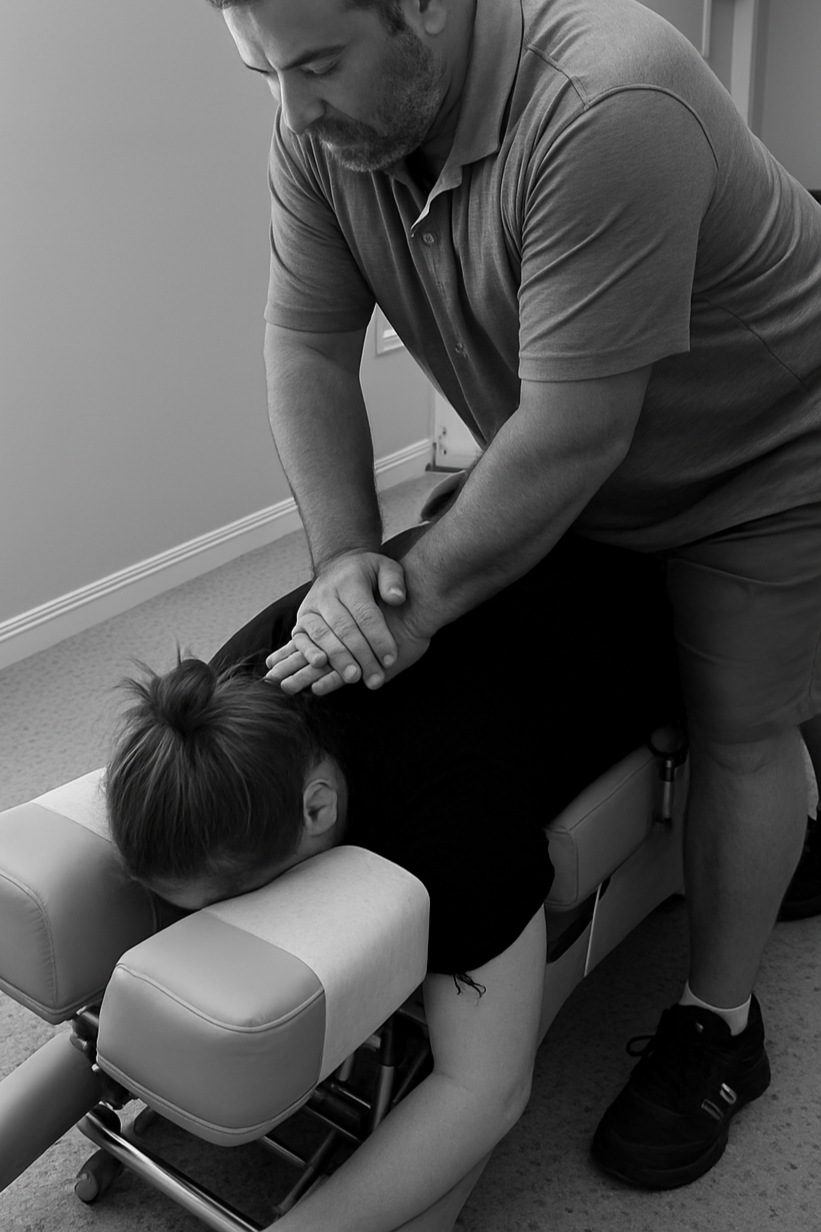
At Dr. Arthur Poisal Chiropractic, we take time to listen to your concerns, understand how the pain started, and look at how your body is moving as a whole. Then we create a personalized plan based on your goals and findings.
Is a knee pain chiropractor knoxville tn the right first stop?
A chiropractor may be a good first stop when your knee pain developed gradually, is connected to activity, or occurs without a major injury. This can include discomfort during stairs, running, squatting, standing after sitting, or returning to exercise.
That doesn’t mean every knee problem should be treated in a chiropractic office. A careful provider should screen for signs that require medical care, imaging, or an orthopedic referral.
The goal is to understand what’s contributing to your symptoms before recommending treatment. Sometimes the knee needs direct care. In other cases, improving movement at the hip, ankle, pelvis, or spine can reduce the amount of work the knee has been handling.
You don’t have to stop moving completely while you figure out what’s wrong. In many cases, the better approach is to modify activity, keep the joint moving comfortably, and rebuild strength gradually instead of resting until you become stiffer and weaker.
Why knee pain may not be just a knee problem
Your knee sits between the hip and ankle. It depends on both areas for balance, control, and efficient movement.
For example:
- Limited ankle motion may cause your knee to rotate or absorb more force during walking and squatting.
- Weakness or poor control at the hip may allow the knee to move inward during stairs, running, or single-leg activities.
- Pelvic or lower-back restrictions may change how you load one leg.
- Foot mechanics may affect the position of your ankle and knee.
- A previous injury may cause you to shift your weight without realizing it.
This is sometimes called the “kinetic chain.” Each part of the body influences the next. If one area is not moving or stabilizing well, another area may compensate.
That’s why simply focusing on the spot that hurts may not provide lasting improvement. We want to understand what your knee is being asked to do and why.
What happens during your knee assessment?
Your first visit should feel like a conversation, not a rushed checklist. We’ll ask when the pain began, what makes it better or worse, and how it affects your everyday life.
We may also ask about:
- Running, lifting, sports, work, and other activities
- Previous knee, hip, ankle, foot, or back injuries
- Swelling, clicking, grinding, or stiffness
- Pain when going up or down stairs
- Symptoms after sitting for a long time
- Giving way, catching, or locking
- Changes in your training or activity level
Next, we look at how you move. Depending on your symptoms, this may include walking, squatting, stepping, balancing on one leg, or performing a controlled lunge.
We may assess:
- Knee range of motion
- Hip and ankle mobility
- Strength in the quadriceps, hamstrings, and hip muscles
- Balance and single-leg control
- Patellar movement
- Joint tenderness
- Ligament and meniscus-related signs
- How the pelvis, spine, foot, and ankle contribute to your movement
This process helps us decide whether your symptoms appear related to movement mechanics, irritated soft tissue, joint restriction, an old injury, or something that needs a different type of evaluation.

Knee pain patterns we commonly evaluate
Knee pain can look different from person to person. The location and timing of your symptoms can offer useful clues, but they don’t tell the whole story by themselves.
Pain on stairs
Going up or down stairs places different demands on the knee, hip, and ankle. Pain may be related to reduced strength, limited mobility, kneecap tracking, or how your leg controls your body weight.
Pain after sitting
Some people notice pain or stiffness after sitting with the knee bent for a long time. Getting up from a chair may feel difficult at first, then improve after a few steps.
Pain with running
Running places repeated loads through the entire leg. A change in mileage, speed, footwear, terrain, or training schedule can contribute to irritation. We’ll look at how your hip, pelvis, knee, ankle, and foot work together rather than focusing only on the painful area.
Grinding and stiffness
Grinding, stiffness, or a feeling of tightness may occur with joint irritation, age-related changes, muscle tension, or reduced movement. These symptoms don’t automatically mean surgery is necessary, but they do deserve a thoughtful assessment.
What care may look like
Your plan depends on your history, examination, goals, and comfort level. We don’t use the same approach for every patient.
Care may include gentle joint work to improve movement in the knee and surrounding areas. Adjustments may also address the hip, pelvis, ankle, or other joints that influence how the knee functions.
For stubborn tendon or soft-tissue pain, shockwave therapy may be considered when appropriate. This non-surgical treatment uses acoustic energy to support care for selected soft-tissue problems. You can learn more about our approach in Shockwave Therapy: The Basics Explained.

Rehabilitative exercises are often an important part of the process. Exercises may focus on:
- Quadriceps and hamstring strength
- Hip stability
- Calf and ankle control
- Balance
- Single-leg movement
- Gradual return to stairs, running, lifting, or walking
The purpose isn’t to keep you dependent on treatment. It’s to help you build the strength and control needed to use your knee with more confidence.
We also discuss activity changes. You may need to reduce impact temporarily, change the amount of weight you lift, or shorten your running sessions. That is different from giving up movement altogether. Our aim is to help you stay as active as your symptoms safely allow.
When imaging or a surgeon may be the better choice
Some knee problems require medical evaluation before chiropractic treatment. Seek urgent care if you cannot bear weight, have a visible deformity, experience major swelling immediately after an injury, or develop a hot, red knee with a fever.
You should also seek prompt medical attention for sudden calf swelling or shortness of breath. A knee that locks and cannot move normally needs evaluation as well.
Imaging may be appropriate after significant trauma, when a fracture is suspected, when symptoms persist despite well-directed conservative care, or when there are signs of a more serious structural problem. An X-ray can help evaluate bone and joint changes. An MRI may be considered for certain ligament, meniscus, cartilage, or soft-tissue concerns.
An orthopedic surgeon may be the right next step when there is a complete ligament tear, displaced fracture, severe instability, a large meniscus injury with locking, or advanced joint damage that has not improved with conservative care.
If your examination suggests you need imaging or another specialist, we’ll explain that clearly and help you understand the next step. Good care includes knowing when to refer out.
Get a personalized plan in North Knoxville
If knee pain is affecting your running, lifting, stairs, sleep, or ability to walk comfortably, you don’t have to guess where to begin.
At Dr. Arthur Poisal Chiropractic, we work with patients of all ages in Knoxville, including the Whittle Springs and North Knoxville area. We take time to listen, perform a thorough assessment, and create a customized care plan focused on meaningful function.
Our office is located at:
Dr. Arthur Poisal Chiropractic
3371 Whittle Springs Road
Knoxville, TN 37917
You’re welcome to call us at (865) 687-5700 or fill out our contact form and ask for a call back. We’ll be happy to learn more about what you’re experiencing and help you decide on a simple next step.