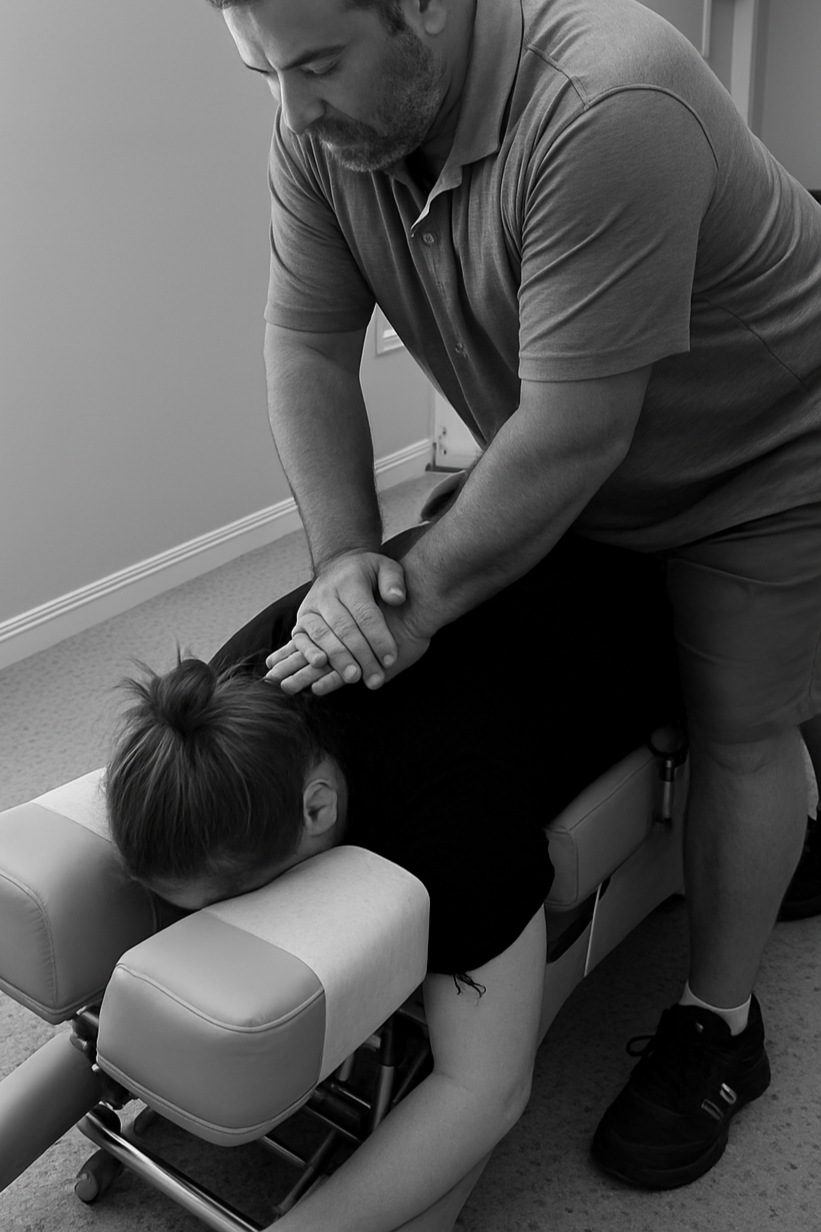
Lower Back Pain Treatment: 7 Mistakes You're Making (And How to Fix Them)

SEO title: Lower Back Pain Treatment Knoxville TN | Knox Chiro
Meta description: Looking for lower back pain treatment Knoxville TN? Learn 7 common mistakes, practical fixes, and how personalized care can help you move comfortably again.
Suggested URL slug: /lower-back-pain-treatment-knoxville-tn
Lower back pain can affect nearly every part of your day. Sitting at work becomes uncomfortable. Sleep is harder. Exercise, yard work, and even a simple walk may feel out of reach.
If you’re looking for lower back pain treatment in Knoxville TN, it’s understandable to want fast answers. But some common habits can slow your progress or make symptoms harder to manage. The good news is that small changes can help you move forward with more confidence.
Here are seven mistakes we see often, and what you can do instead.
1. Resting Too Long
When your back hurts, your first instinct may be to lie down and wait for the pain to disappear. A short period of rest can be helpful during a painful flare. However, staying in bed or avoiding movement for days can lead to more stiffness, weakness, and fear of activity.
Most uncomplicated lower back pain improves with gentle movement and a gradual return to normal activities. You don’t have to push through severe pain, but complete inactivity usually isn’t the answer.
The fix
Start with manageable movement:
- Take short, easy walks.
- Change positions regularly.
- Use gentle mobility exercises that don’t create sharp or worsening pain.
- Temporarily reduce heavy lifting, twisting, and high-impact activity.
- Return to normal tasks gradually as your symptoms allow.
Your back is designed to move. The goal is to find the right amount of activity for your current condition, then build from there.
2. Chasing Imaging Before Having an Exam
An MRI or X-ray can feel like the quickest way to find an answer. But imaging isn’t always the best first step for new lower back pain.
Many people have disc bulges, arthritis, or other age-related changes without experiencing pain. A scan may show something that looks concerning but isn’t the actual source of your symptoms. Without a thorough history and physical examination, it can be difficult to know what an image really means for you.
Guidance from Health New Zealand and the National Library of Medicine notes that imaging is generally reserved for situations involving red flags, significant neurological symptoms, or pain that doesn’t improve with appropriate conservative care.
The fix
Start with an evaluation that considers:
- When your pain began
- What movements make it better or worse
- Whether symptoms travel into your hip or leg
- Your strength, mobility, and daily function
- Your work, exercise, injury, and health history
Imaging may be appropriate in some cases. It should support your examination, not replace it.

3. Ignoring Muscle Capacity and Core Strength
Pain may be coming from more than a single joint or area. If your hips, glutes, or trunk muscles aren’t handling daily demands well, your lower back may take on more work than it can comfortably manage.
This doesn’t mean you need an intense workout or a long list of difficult exercises. It means your plan should address how your body moves and how much load it can tolerate right now.
The fix
Build strength gradually with exercises suited to your condition. Depending on your needs, that may include:
- Gentle trunk stabilization
- Hip and glute strengthening
- Walking or other low-impact activity
- Controlled bending and lifting practice
- Progressive exercises that prepare you for work, sports, or daily activities
At Knox Chiro, we take time to listen to your goals before creating a customized plan. Whether you want to return to running, lifting weights, or walking comfortably, your exercises should match the life you want to get back to.
4. Stopping Care as Soon as You Feel Better
Feeling better is an important step, but it doesn’t always mean your body is ready for every activity. Some people stop their exercises or care plan as soon as their pain decreases, then return to the same workload that caused trouble in the first place.
This can create a cycle: pain improves, activity increases too quickly, and symptoms return.
The fix
Use improvement as a chance to build resilience. Continue with the parts of your plan that support:
- Better movement
- Improved strength and endurance
- Confidence with daily tasks
- Safer lifting and exercise habits
- A gradual return to activities you enjoy
Your care plan should change as you improve. We’ll help you understand what to do next instead of leaving you to guess when it’s safe to progress.
5. Relying Only on Painkillers
Medication can sometimes make it easier to move, sleep, or participate in care. But pain relief alone doesn’t address every factor that may be contributing to your symptoms.
Depending on medication without guidance can also create risks, especially if you have other health conditions or take additional medications. Talk with your physician or pharmacist about what is safe for you.
The fix
Think of medication, when appropriate, as one possible support, not the entire plan. Other helpful strategies may include:
- Staying gently active
- Improving sleep positions and routines
- Using heat when it provides comfort
- Learning movements that reduce strain
- Building strength over time
- Getting guidance based on your examination
Our goal is to help you understand your symptoms and participate in a plan that supports long-term function, not just temporary relief.
6. Doing the Wrong Exercises
Exercise can help your back, but the wrong exercise at the wrong time may aggravate your symptoms. A high-intensity core routine, heavy deadlifts, repeated sit-ups, or aggressive stretching may be too much during an active flare.
On the other hand, avoiding all exercise can lead to deconditioning and stiffness.
The fix
Choose exercises based on your symptoms, movement patterns, current capacity, and goals. Start with a level you can perform with control. Then increase duration, resistance, or complexity gradually.
Our rehabilitative exercise approach may be combined with hands-on care, including spinal adjustments, when appropriate. For some patients, decompression therapy or shockwave therapy may also be considered as part of a broader, individualized plan.
These services aren’t one-size-fits-all. A thorough assessment helps determine what may be useful for you and what should wait.

7. Waiting Too Long to Get Assessed
It’s common to hope lower back pain will simply go away. Sometimes it does. But waiting for weeks or months while your activity, sleep, and quality of life continue to suffer can make recovery more difficult.
You don’t have to wait until your pain becomes severe before asking for help. An assessment can give you a clearer understanding of what may be contributing to your symptoms and what steps make sense next.
The fix
Consider getting evaluated if your pain:
- Is getting worse instead of better
- Continues beyond a few weeks
- Keeps returning
- Limits walking, work, sleep, or exercise
- Travels into your leg
- Comes with numbness, tingling, or weakness
Seek urgent medical attention for new loss of bowel or bladder control, numbness around the groin or saddle area, progressive leg weakness, severe pain after a significant injury, fever, unexplained weight loss, or feeling seriously unwell.
What Should Lower Back Pain Treatment Knoxville TN Include?
The right plan should begin with listening. At Dr. Arthur Poisal Chiropractic, we take time to understand your symptoms, history, concerns, and goals before recommending care.
Your plan may include a combination of:
- Thorough movement and functional assessment
- Spinal adjustments
- Decompression therapy
- Shockwave therapy
- Rehabilitative exercises
- Guidance for returning to work, exercise, and daily activities
We care for patients of all ages, from active adults managing an injury to older adults who want to maintain mobility and independence. Our focus is practical: helping you feel better, move better, and return to the activities that matter to you.
For patients in Knoxville and the Whittle Springs area, getting started is simple. You can learn more about our approach on the Knox Chiro home page, or watch our low/mid back treatment video.
Take the Next Step Toward Moving More Comfortably
You don’t have to figure out your lower back pain on your own. We’ll listen, answer your questions, and help you understand your options.
Call (865) 687-5700 or fill out our contact form for a call back. We’ll be happy to help you take the next step.