Sciatica Pain Relief: 10 Things to Know Before Your First Chiropractic Visit

SEO title: Sciatica Pain Relief Chiropractor Knoxville
Suggested URL slug: /sciatica-pain-relief-chiropractor-knoxville/
Meta description: Looking for a sciatica pain relief chiropractor knoxville? Learn what causes traveling leg pain, what to expect, and when to seek medical care.
If you’ve searched for “sciatica pain relief chiropractor knoxville,” you may be dealing with pain that starts in your lower back or buttock and travels down one leg. It can feel sharp, burning, tingling, or even electric. You may also notice numbness, weakness, or difficulty sitting, standing, walking, or sleeping.
Before your first visit, it helps to understand what may be causing your symptoms and what a careful treatment process looks like. At Dr. Arthur Poisal Chiropractic, we take time to listen, assess how you move, and build a plan around your needs, not simply apply the same adjustment to everyone.
Here are 10 important things to know.
1. Sciatica Is a Symptom, Not a Complete Diagnosis
“Sciatica” describes pain or other symptoms that follow the path of the sciatic nerve. That nerve travels from the lower spine through the buttocks and down each leg.
The pain travels because a nerve root in the lower spine may be irritated, inflamed, or compressed. However, several different problems can contribute to those symptoms, including:
- A bulging or herniated disc
- Changes in the spinal joints
- Tight or irritated muscles
- Limited movement in the lower back or pelvis
- Pressure on a nerve root
- A combination of these factors
That’s why identifying the cause matters. Your treatment should be based on what is contributing to your symptoms, not only where you feel the pain.
2. The Cause Matters More Than the Label
Two people can both say they have sciatica but need very different care.
One person may have symptoms related to a disc. Another may have muscle tightness and restricted hip movement. Someone else may have joint irritation or a more significant nerve compression.
During an evaluation, we’ll ask when your symptoms began, what makes them better or worse, and whether you’re experiencing numbness or weakness. We may also assess your posture, walking pattern, range of motion, strength, reflexes, and how your symptoms respond to specific movements.
This thorough assessment helps us decide what may be appropriate, and what should be avoided.
3. A Real Assessment Is Better Than a Generic Adjustment
A spinal adjustment may be helpful for some patients, but it shouldn’t be treated as a one-size-fits-all solution.
Your first visit should be a conversation as well as an examination. At our clinic, we want to understand how your symptoms affect your work, sleep, exercise, and daily life. Are you struggling to pick up your child? Have you stopped running or lifting weights? Is walking around the neighborhood uncomfortable?
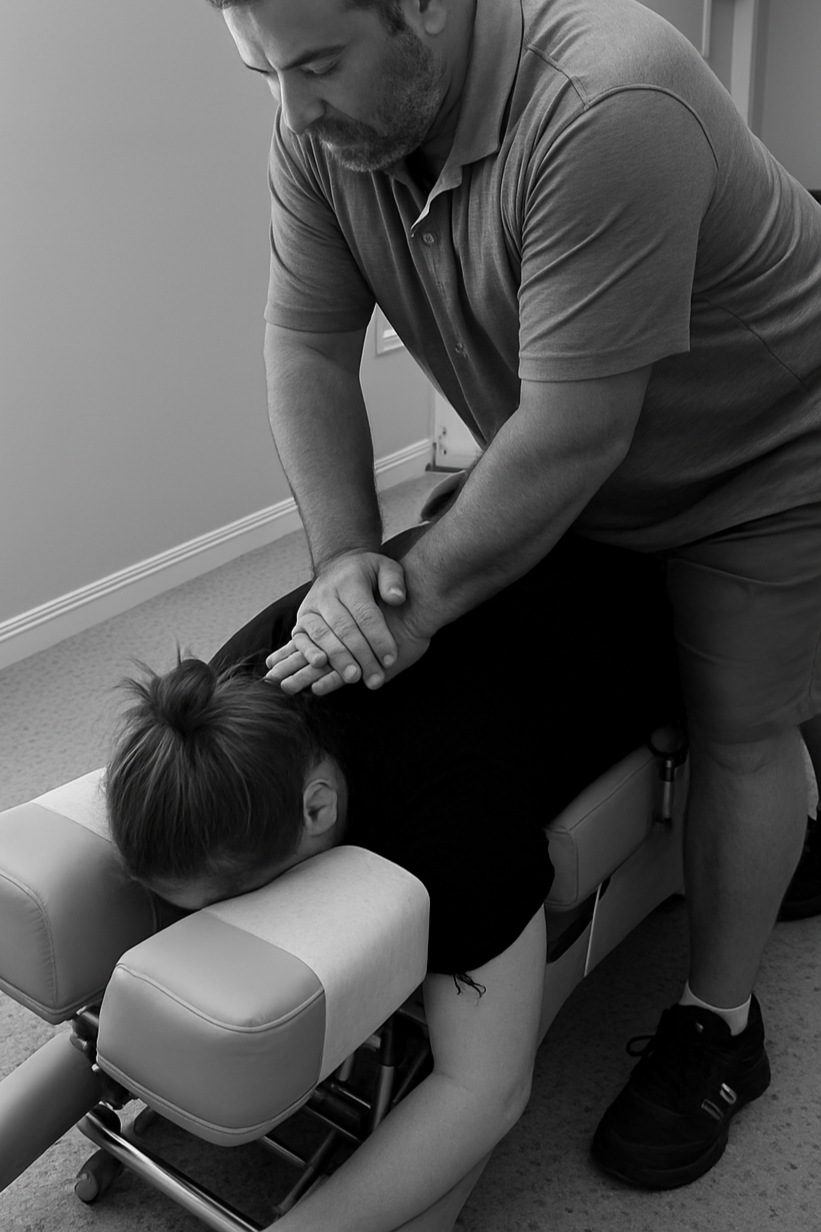
Those details help shape your care plan. If hands-on treatment is appropriate, we may use spinal adjustments along with mobility work, soft-tissue techniques, or rehabilitative exercises. We’ll explain what we’re doing and monitor how your body responds.

4. Your First Visit Should Feel Unhurried and Clear
Many people feel nervous before their first chiropractic appointment. You may wonder whether treatment will hurt or whether you’ll be expected to commit to a long care plan right away.
At your first visit, we’ll review your health history and listen to your concerns. We’ll complete a posture and movement assessment and discuss what we find. If care is appropriate and you’re comfortable proceeding, you may receive hands-on treatment during that visit.
We’ll also talk about reasonable next steps. Some people notice a change after a few visits. Others need more time, especially when symptoms have been present for a while. Your progress should guide the plan.
5. Gentle Movement Usually Helps More Than Complete Rest
When your leg hurts, staying in bed can seem like the safest choice. Short periods of rest may be useful during a severe flare-up, but prolonged bed rest can make it harder to regain strength and confidence.
In many cases, gentle movement is a better approach. That might include short walks, comfortable position changes, or simple exercises selected for your symptoms.
The key is to avoid forcing painful movements. If an activity sharply increases pain down your leg, causes new numbness, or creates weakness, stop and let your provider know.
6. Nerve Flossing Is Not the Same as Stretching Hard
You may have heard of nerve flossing, also called neural mobilization. These are gentle movements intended to help a nerve move more comfortably through the surrounding tissues.
Nerve flossing should not feel like an aggressive hamstring stretch. The goal is controlled motion, not forcing the nerve or chasing intense discomfort.
A movement that is appropriate for one person may aggravate another person’s symptoms. We can help determine whether gentle nerve-mobility work belongs in your plan and show you how to perform it safely.
If an exercise increases your leg pain, produces new tingling, or causes weakness, stop and ask for guidance.
7. Imaging Is Useful When It Can Change Your Care
Many people assume they need an MRI immediately. In uncomplicated cases, imaging is not always the first step. An image may show changes that are common in people who have no pain, and it may not explain your current symptoms.
Imaging may be more useful when:
- Symptoms are severe, persistent, or worsening
- There is progressive weakness
- A serious injury may have occurred
- Treatment has not helped after an appropriate period
- A medical or surgical procedure is being considered
We’ll review your history and examination findings. If your situation calls for medical evaluation or imaging, we’ll explain why and help you understand the next step. You can also review general guidance from the American College of Radiology and NICE guidance on low back pain and sciatica.
8. Know the Red Flags That Need Medical Care
Most cases of radiating leg pain are not emergencies. However, some symptoms need prompt medical attention rather than routine chiropractic care.
Seek urgent medical evaluation if you have:
- New loss of bladder or bowel control
- Numbness around the groin or inner thighs
- Severe or rapidly worsening leg weakness
- New foot drop
- Symptoms in both legs
- Fever, chills, or signs of infection
- A history of cancer with new unexplained symptoms
- Significant trauma, especially with a history of osteoporosis
These symptoms can indicate a serious condition. If they occur, contact emergency services or seek immediate medical care. Do not wait for a routine appointment.
9. Relief May Happen in Stages
Some people feel a noticeable change quickly. Others improve gradually as irritation settles, movement improves, and strength returns.
Your timeline may depend on:
- How long you’ve had symptoms
- The underlying cause
- Whether numbness or weakness is present
- Your activity level and sleep
- How your body responds to treatment
- How consistently you follow your home recommendations
Our goal isn’t simply to make you feel better for a few hours. We want to help you make steady progress toward meaningful activities, whether that means walking comfortably, returning to the gym, running again, or sleeping more easily.
10. Decompression, Shockwave Therapy, and Exercises May Have a Role
Your treatment plan may include more than adjustments.
Decompression therapy may be considered for selected patients when reducing pressure and improving comfort around the spine is part of the overall plan. It isn’t right for every cause of leg pain, so your assessment comes first.
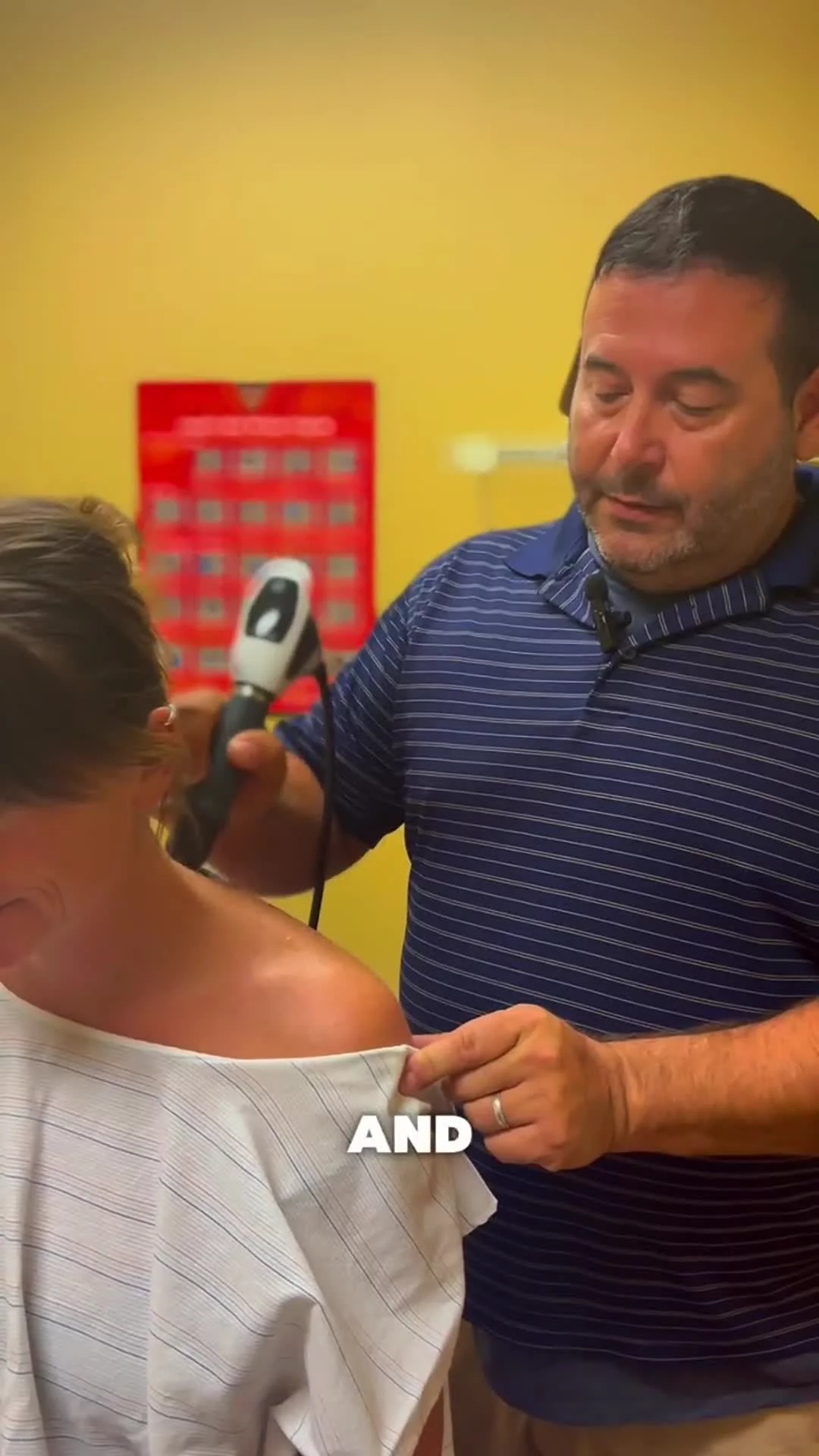
Shockwave therapy uses sound waves and may be useful for certain soft-tissue problems, including stubborn muscle or tendon concerns. It does not automatically treat every case of nerve-related leg pain. If nearby muscles or soft tissues are contributing to your discomfort, we’ll determine whether it may be appropriate.
Rehabilitative exercises can help improve mobility, strength, coordination, and confidence. We may also recommend posture changes, stretching guidance, or, in appropriate cases, dry needling.
What You Can Do Between Visits
Your home routine should be simple enough to follow. Depending on your condition, we may recommend:
- Taking short, comfortable walks
- Changing positions regularly
- Avoiding heavy lifting during a flare-up
- Using heat or cold based on what feels helpful
- Completing only the exercises given to you
- Tracking changes in pain, numbness, strength, and activity
If your symptoms change, tell us. Your feedback helps us adjust your care.
Our team serves patients of all ages, including active adults, families, and older adults who want to move with more comfort and confidence. If you’re in Knoxville, TN, or near the Whittle Springs area and leg pain is affecting your routine, we’re here to listen.

Start With a Conversation
You don’t have to figure out the cause of your symptoms alone. At Dr. Arthur Poisal Chiropractic, we’ll take time to understand what you’re experiencing and help you decide on a practical next step.
Call (865) 687-5700 or fill out our contact form for a call back. We’ll be happy to answer your questions and help you get started with a thoughtful, personalized evaluation.
This article is for general educational purposes and does not replace an examination or medical advice. Seek urgent care for severe or rapidly worsening symptoms.