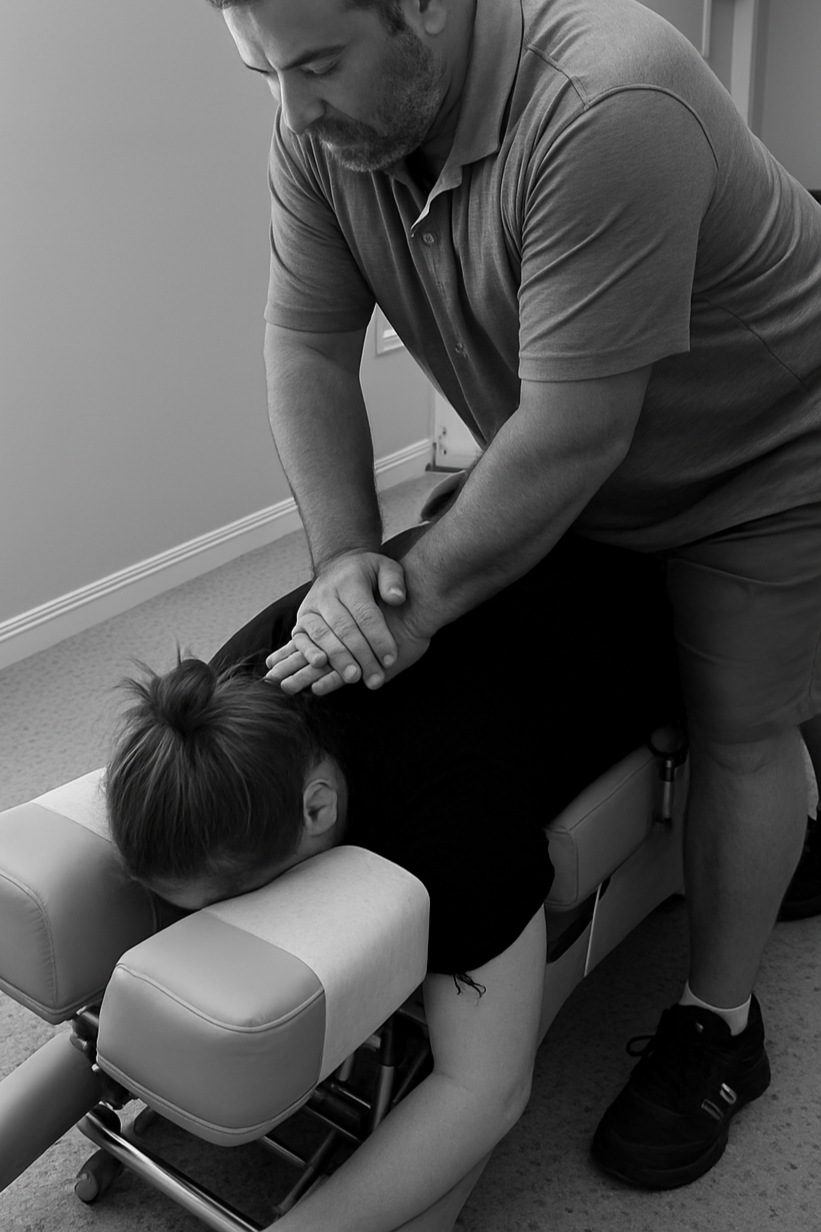
Shockwave Therapy for Back Pain: When Muscles Are the Real Problem

SEO title: Shockwave Therapy for Back Pain | Knox Chiro
URL slug: /shockwave-therapy-for-back-pain-muscle-fascia/
Meta description: Learn how shockwave therapy for back pain may help muscle and fascia-related pain in Knoxville, TN. Explore personalized care and minimal downtime at Knox Chiro.
Back pain doesn’t always come from a joint, disc, or bone. Sometimes, the muscles and connective tissues around your spine are doing much of the hurting.
When those tissues stay tight, irritated, or guarded for too long, everyday activities can become difficult. Sitting, standing, sleeping, walking, running, or lifting may all feel harder than they should.
That’s where shockwave therapy for back pain may be helpful. This non-invasive treatment uses acoustic waves to address certain painful soft tissues, including muscles and fascia. At Knox Chiro, we first take time to understand what’s contributing to your pain. Then, we create a care plan built around your goals.
If you live in Knoxville, TN, or near the Whittle Springs area, you can learn more about shockwave therapy and see whether it may fit your needs.
Your back pain may involve more than your spine
Your spine is important, but it doesn’t work alone. Muscles, tendons, ligaments, and fascia all help support your movement.
Fascia is the thin layer of connective tissue that surrounds and connects muscles. When an area becomes overworked or injured, the fascia and nearby muscles may become less flexible. Your body may then tighten those tissues to protect the area.
This protective response is called muscular guarding. It can be useful for a short time. But when it continues for weeks or months, it may create a cycle:
- A movement or injury irritates the area.
- The muscles tighten to protect your back.
- Tight tissues limit normal movement.
- Limited movement places more stress on surrounding areas.
- Pain and stiffness continue.
In this situation, repeatedly treating the joints alone may not address every factor involved. Your back may move better after an adjustment, but tight or sensitive muscles can continue pulling you back into discomfort.
That’s why a thorough assessment matters. We want to know what your pain feels like, when it started, what makes it worse, and how it affects your life.

How shockwave therapy for back pain may help tight muscles
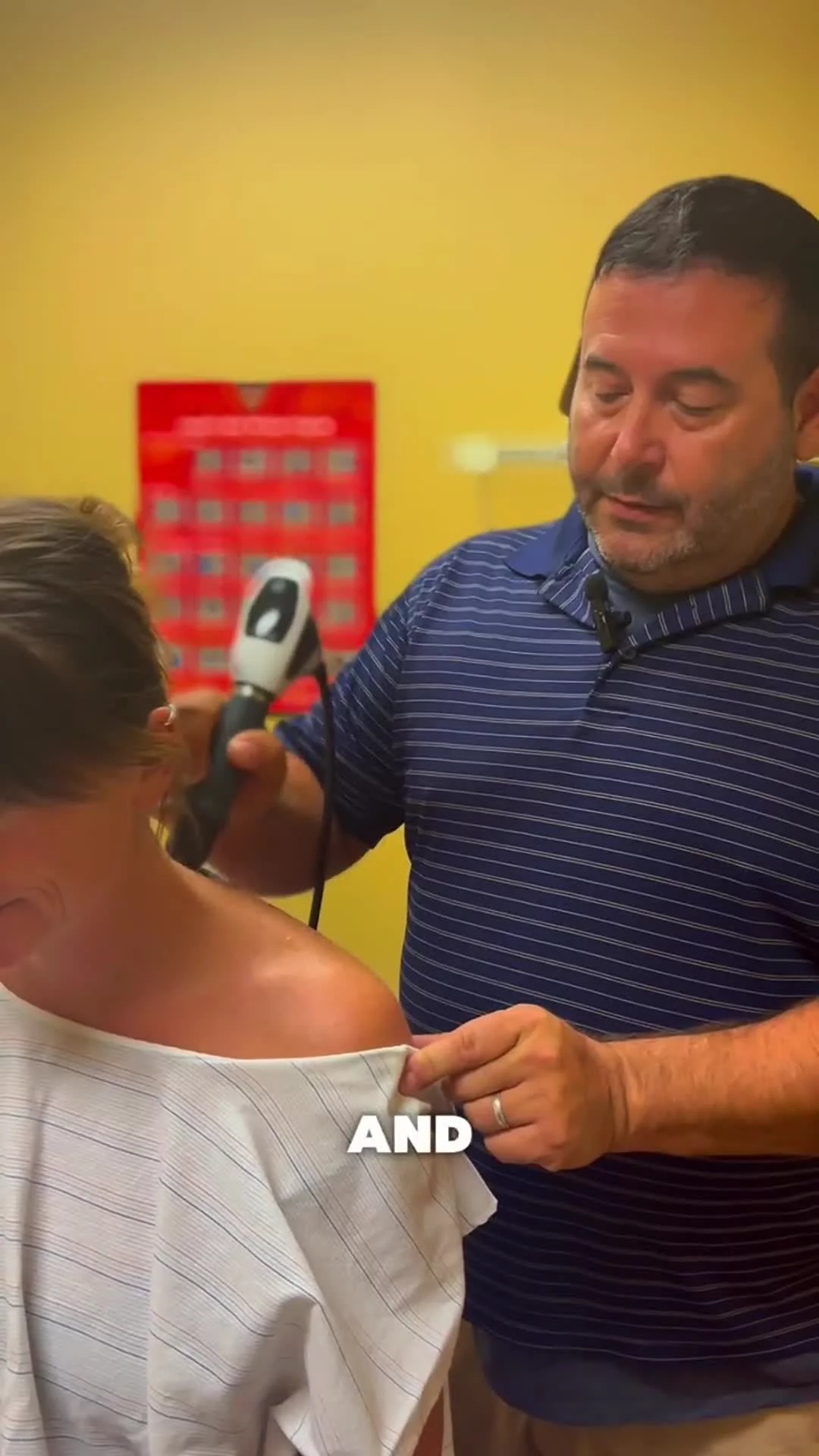
Shockwave therapy delivers controlled acoustic waves into a targeted area. The sensation is often described as a tapping or pulsing feeling. Depending on the device and treatment area, the waves can reach involved soft tissues, including deeper muscle and fascial structures.
The goal isn’t to force your body into a position or make a painful area work harder. Instead, the treatment may help:
- Reduce sensitivity in irritated soft tissues
- Improve local circulation
- Decrease muscle tension
- Support the body’s natural repair response
- Make movement more comfortable
- Help you participate more fully in rehabilitation
Research on shockwave therapy for chronic low back pain suggests that some patients experience modest improvements in pain and function, particularly when treatment is combined with exercise or stabilization work. The evidence is still developing, and results vary from person to person. For that reason, we view shockwave therapy as one part of a thoughtful plan, not a guaranteed cure or a replacement for a complete evaluation.
You can also watch our Pre/Post Shockwave Therapy video to get a better idea of how the process may look.
When this treatment may be a good fit
Shockwave therapy may be considered when muscle and fascia-related pain appear to be important contributors. It may be especially useful for people dealing with:
Long-standing back pain
Pain that has lasted for months can be difficult to resolve with rest alone. Long-term tightness, reduced activity, and repeated flare-ups may keep the area sensitive.
A customized shockwave plan may help calm painful tissues while you work on restoring strength, mobility, and confidence.
Pain that returns after adjustments
Adjustments can help improve joint motion, but your muscles may still be tight or overprotective. If your discomfort repeatedly returns after temporary relief, we may look more closely at the soft tissues surrounding the spine.
Combining hands-on care with shockwave therapy for back pain may address different parts of the problem. The right combination depends on your examination and response to care.
Muscular guarding and restricted movement
Some people feel a constant pulling, tightness, knot, or deep ache in the muscles beside the spine. Others notice that their back feels stiff after sitting, driving, working, or exercising.
If guarding is limiting your movement, reducing muscle sensitivity may make it easier to move normally again and complete your recommended exercises.
Pain that affects an active lifestyle
Back pain can interrupt the activities you enjoy. You may stop running, lifting weights, gardening, playing with your children, or taking long walks because you’re worried about making things worse.
Our goal is to help you move toward those activities safely and confidently, not simply help you feel better on the treatment table.
What a treatment plan may look like
Your first visit begins with a conversation and examination. We’ll ask about your symptoms, health history, previous treatments, and daily goals. We’ll also look at your movement and determine whether your pain appears to involve muscles, joints, nerves, or other structures.
If shockwave therapy is appropriate, your plan may include several sessions. Treatment schedules vary, but many programs use appointments once a week for a short series of visits.
During a session, we may:
- Position you comfortably.
- Identify the specific tissues being treated.
- Apply gel to the skin.
- Use a handheld applicator over the targeted area.
- Adjust the intensity based on your comfort and response.
- Review movement or exercises to support your progress.
The treatment may feel intense in a tender area, but it should remain manageable. You can communicate with us throughout the session so we can adjust the settings when needed.
Many patients return to normal daily activities after treatment. You may notice temporary soreness, tenderness, redness, or sensitivity in the treated area. These effects are usually short-lived, but we’ll explain what to expect based on your plan.
Combine treatment with the right support
Shockwave therapy can be useful, but lasting improvement usually requires more than one technique. Your back needs an opportunity to move better, become stronger, and tolerate the activities that matter to you.
Depending on your needs, we may combine treatment with:
- Adjustments: To support joint mobility and comfortable movement
- Decompression therapy: When appropriate for certain pressure-related back concerns
- Rehabilitative exercises: To improve strength, stability, flexibility, and control
- Movement guidance: To help you gradually return to work, exercise, or daily activities
This combination is especially important if your pain has been present for a long time. Soft tissues may feel better before they are ready for heavy lifting or intense exercise. A gradual plan helps you build capacity without constantly provoking another flare-up.
You can learn more about our overall approach on our about us page.
Set realistic expectations
Shockwave therapy for back pain isn’t designed to erase every symptom after one visit. Some people notice a change quickly. Others experience gradual improvement over several weeks.
Realistic goals may include:
- Less daily soreness
- Fewer painful flare-ups
- Easier standing or walking
- Better tolerance for sitting
- Improved mobility
- A more comfortable return to exercise
- Greater confidence using your back
Your outcome depends on several factors, including the cause of your pain, how long it has been present, your overall health, and how consistently you follow your movement plan.
We’ll track your progress and make adjustments when needed. If a treatment doesn’t seem to be helping, we’ll reassess rather than continuing with the same approach automatically.
Is shockwave therapy right for you?
A consultation is the best way to find out. Shockwave therapy may not be appropriate for every type of back pain, especially when symptoms are caused by a serious injury, infection, fracture, tumor, or significant nerve compression.
Seek prompt medical attention for back pain accompanied by symptoms such as:
- New or worsening leg weakness
- Loss of bladder or bowel control
- Numbness in the groin area
- Fever or unexplained weight loss
- Severe pain after a major accident
For less urgent but persistent pain, a thorough evaluation can help clarify what may be contributing to your symptoms. We treat patients of all ages and take time to listen before recommending care.
Start with a conversation
If muscle tightness, guarding, or recurring soft-tissue pain may be part of your back problem, shockwave therapy could be one option to discuss.
At Knox Chiro, we’ll help you understand your choices and create a plan based on your body, your goals, and your daily life. Whether you want to get back to running, lifting weights, or simply walking comfortably again, we’re here to help you move forward.
Call us at (865) 687-5700, or fill out our contact form and ask for a call back. We’ll be happy to hear what’s going on and help you decide on a simple next step.