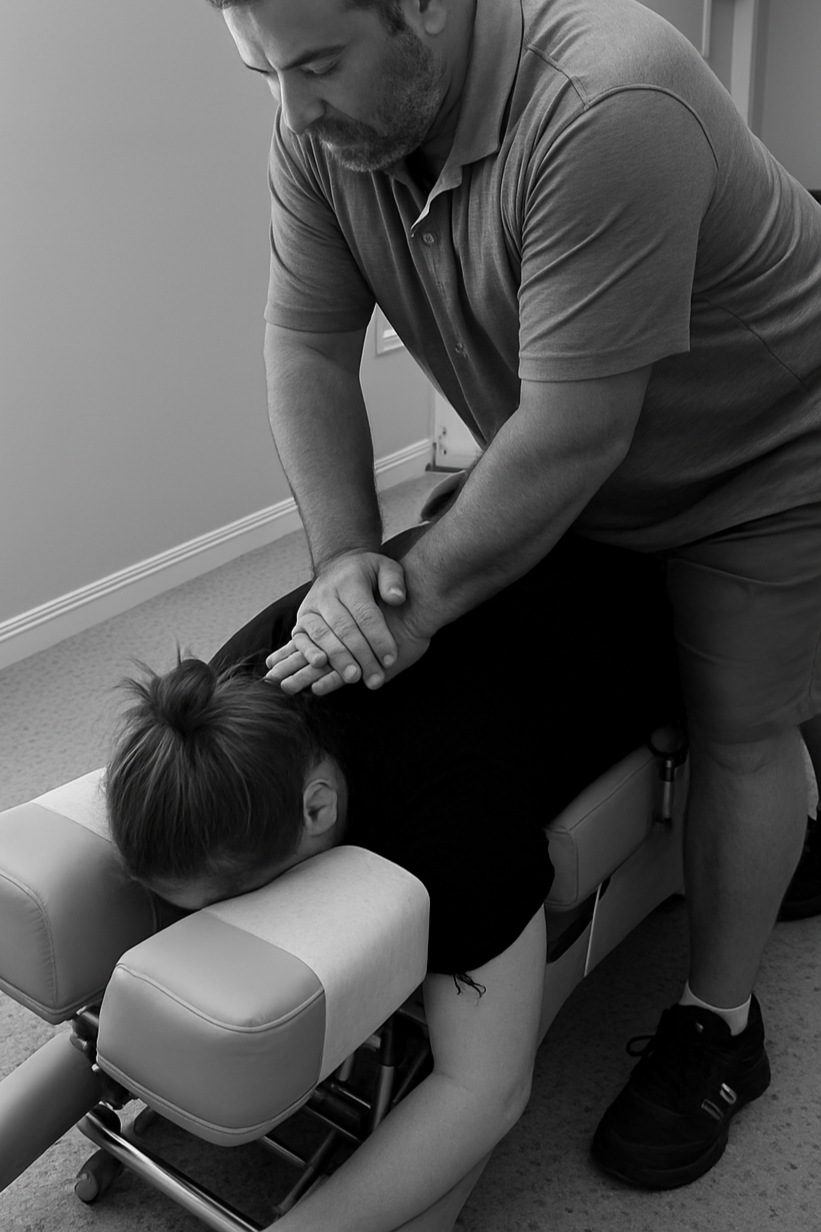
Spinal Decompression in Knoxville, TN: A Gentle Answer to Disc Pain

SEO title: Spinal Decompression Knoxville TN | Gentle Disc Pain Care
URL slug: /spinal-decompression-knoxville-tn-disc-pain
Meta description: Learn how spinal decompression Knoxville TN care may support disc-related pain, what to expect, and how a personalized plan can help you move comfortably again.
If disc pain is making it hard to sit, sleep, walk, exercise, or enjoy your normal routine, you may be looking for a gentle next step. Spinal decompression Knoxville TN care may be one option to discuss when disc-related pain or nerve irritation is limiting your life.
At Dr. Arthur Poisal Chiropractic, we don’t begin with a machine or a one-size-fits-all plan. We begin by listening. We take time to understand your symptoms, health history, movement, and goals before deciding whether decompression belongs in your care plan.
What is spinal decompression?
Spinal decompression is a controlled form of traction performed on a specialized table. You remain fully clothed while the table applies gentle, intermittent stretching to a specific area of the spine.
The goal is to reduce mechanical pressure around irritated discs and nerves. The treatment may be considered for people dealing with:
- Bulging or herniated discs
- Disc-related lower back pain
- Pain that travels into the hip, buttock, or leg
- Sciatica symptoms
- Certain types of degenerative disc pain
- Reduced movement caused by spinal discomfort
The proposed benefit is that carefully applied stretching changes the forces around the affected spinal segments. This may reduce pressure and make movement more comfortable for some patients.
It’s important to keep expectations realistic. Decompression isn’t a guaranteed cure, and it isn’t appropriate for every type of back pain. Research on traction-based care is mixed. For that reason, we use it selectively and as part of a broader plan rather than presenting it as a stand-alone answer for everyone.
Is spinal decompression Knoxville TN care right for you?
You may be a candidate if your symptoms appear to be connected to a disc or irritated nerve. It may be worth discussing if you’ve tried other conservative options and still have pain that affects your work, sleep, exercise, or daily activities.
Some people seek care after being told that surgery could be the next step. In that situation, a thorough evaluation can help you better understand your options. Decompression may be considered as part of non-surgical care for an appropriate patient, but it should never be presented as a promise to avoid surgery.
Our first step is to determine whether your symptoms fit the type of problem this approach may support. We also consider your overall health, previous injuries, imaging when available, and how your symptoms respond to movement.
If you have progressive weakness, loss of bowel or bladder control, numbness in the saddle area, fever, or severe symptoms after an accident, seek prompt medical attention rather than waiting for a routine chiropractic visit.

What does a session feel like?
Many patients find a session calm and comfortable. You’ll lie on the table, and a supportive harness may be placed around your pelvis or torso. The table then creates a gentle pull-and-release pattern.
You may notice:
- A light stretching sensation
- Mild movement through the lower back
- A feeling of pressure being released
- Time to rest while the table works
- No needles or medication
The force and position are adjusted to your body and your tolerance. You should not feel that you have to “push through” sharp, worsening, or unusual pain. If something doesn’t feel right, tell us so we can change the settings or stop the session.
A visit often lasts around 20 to 30 minutes, although the exact time depends on the equipment, the area being treated, and your individual plan. Some patients relax during the session, while others prefer to talk with the provider about what they’re feeling.
How many sessions might you need?
There is no universal number of visits. Your schedule depends on the cause and duration of your symptoms, how your body responds, and what other treatments are included in your plan.
A common starting point may involve visits several times per week for a few weeks, followed by a progress review. Some people notice changes within the first several visits. Others need more time or respond better when decompression is combined with active rehabilitation.
We’ll monitor your symptoms and movement rather than continuing automatically. If a treatment is not helping, we want to know. Your plan should change as your condition changes.
Decompression, traction, and inversion tables: What’s the difference?
These terms are related, but they do not describe exactly the same experience.
Clinic-based spinal decompression
Decompression uses a specialized table to provide controlled, intermittent traction. The clinician can adjust the position, force, and treatment area based on your assessment.
General traction
Traction is a broader term for stretching or separating spinal structures with manual or mechanical methods. Spinal decompression is often used to describe a more specific, table-based approach to traction.
Inversion tables
An inversion table uses gravity and your body weight to create traction while you are tilted backward or upside down. It is usually used at home and does not offer the same level of clinical assessment or segment-specific control.
An inversion table may not be safe for everyone. People with certain heart conditions, uncontrolled high blood pressure, glaucoma, osteoporosis, balance concerns, or other health issues should speak with a qualified provider before trying one. Getting upside down at home can also be difficult or unsafe for some people.
A supervised clinic session is not the same as using an inversion table. If you are considering either option, start with an evaluation rather than assuming that more stretching is always better.
Why combine decompression with other care?
Disc pain often affects more than one structure. The spine, joints, muscles, movement patterns, and daily habits may all play a role. That’s why decompression may work best when it is paired with other appropriate care.
Depending on your needs, your customized plan may include:
- Hands-on spinal adjustments to support joint movement
- Rehabilitative exercises to build strength and control
- Stretching and posture guidance for between visits
- Shockwave therapy for certain stubborn muscle, tendon, or soft-tissue concerns
- Gradual return-to-activity coaching

The goal isn’t simply to make you feel better for an hour. We want to help you move with more confidence and get back to the activities that matter to you, whether that means running, lifting weights, working comfortably, or walking without constantly thinking about your back.
A personalized approach in Knoxville and Whittle Springs
If you live in Knoxville, including the Whittle Springs area, you deserve care that starts with your specific concerns. We treat patients of all ages, from active adults managing disc pain to aging adults who want to preserve comfortable movement.
At our clinic, we’ll ask questions, perform a careful movement assessment, and explain what we find in clear language. We’ll also discuss whether decompression makes sense for you or whether another approach may be more appropriate.
You can learn more about our philosophy on our about us page and review common questions about our services on our FAQ page.

Take the next step comfortably
Persistent disc pain can make you feel stuck, especially when it interferes with sleep, movement, and the activities you enjoy. You don’t have to figure out your next step alone.
Call Dr. Arthur Poisal Chiropractic at (865) 687-5700, or fill out our contact form and we’ll be happy to call you back. We’ll listen to what’s going on and help you understand whether a personalized plan may be a good fit.
For more information about our approach and services, visit Knox Chiro.